
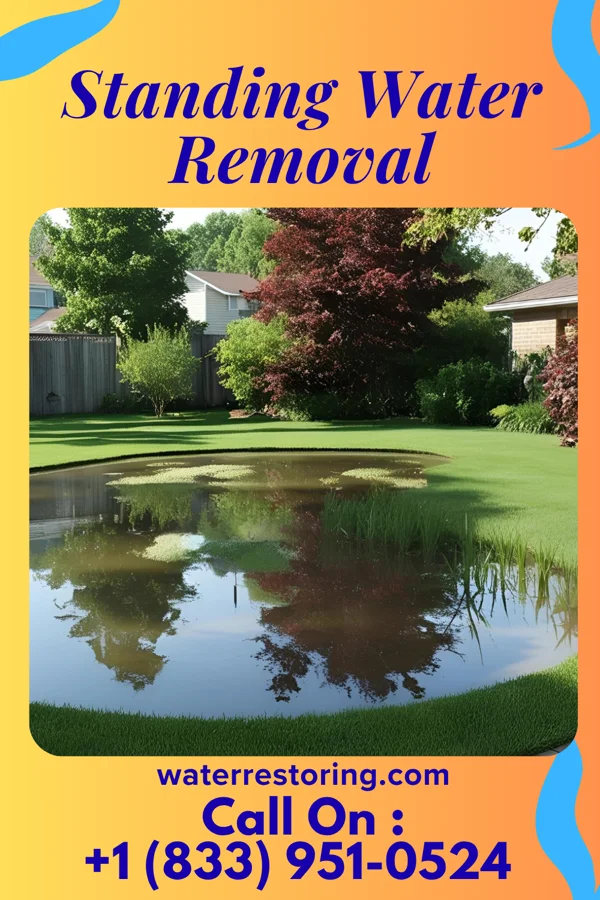
Standing Water & Insurance in Meadow Vale
In Meadow Vale, Kentucky, the primary water damage cause is often due to heavy rainfall and flooding from nearby Rolling Hills, leading to basement backups and creek overflows. Additionally, the rural setting means that agricultural runoff and livestock operations can contribute to localized water issues. is the trigger behind most standing water removal claims in Meadow Vale. A close second is Secondary causes include plumbing failures in older homes, particularly in the Meadowbrook Farm area, and leaking roofs in homes near Hickory Hill. These issues are exacerbated by the region's clay-rich soil, which can retain water and lead to prolonged saturation.. Most homeowner insurance policies cover sudden, accidental water damage. What separates a clean claim from a stuck one is fast professional response with documentation an adjuster can actually use.
Meadow Vale experiences a humid continental climate with frequent spring and summer thunderstorms, increasing the risk of sudden water intrusion. The area's proximity to rolling hills and low-lying valleys creates microclimates where water can pool and remain for extended periods.
Most standing water removal calls in Meadow Vale come from In Meadow Vale, Kentucky, the primary water damage cause is often due to heavy rainfall and flooding from nearby Rolling Hills, leading to basement backups and creek overflows. Additionally, the rural setting means that agricultural runoff and livestock operations can contribute to localized water issues.. Running a close second is Secondary causes include plumbing failures in older homes, particularly in the Meadowbrook Farm area, and leaking roofs in homes near Hickory Hill. These issues are exacerbated by the region's clay-rich soil, which can retain water and lead to prolonged saturation.. Local mold risk: Due to the region's high humidity and frequent rainfall, mold can develop within 48 hours of water exposure, making rapid response critical in Meadow Vale. Mold growth in rural homes can be particularly severe due to limited ventilation and older building materials.